Understanding the Journey Behind ADHD Space
Who I Am
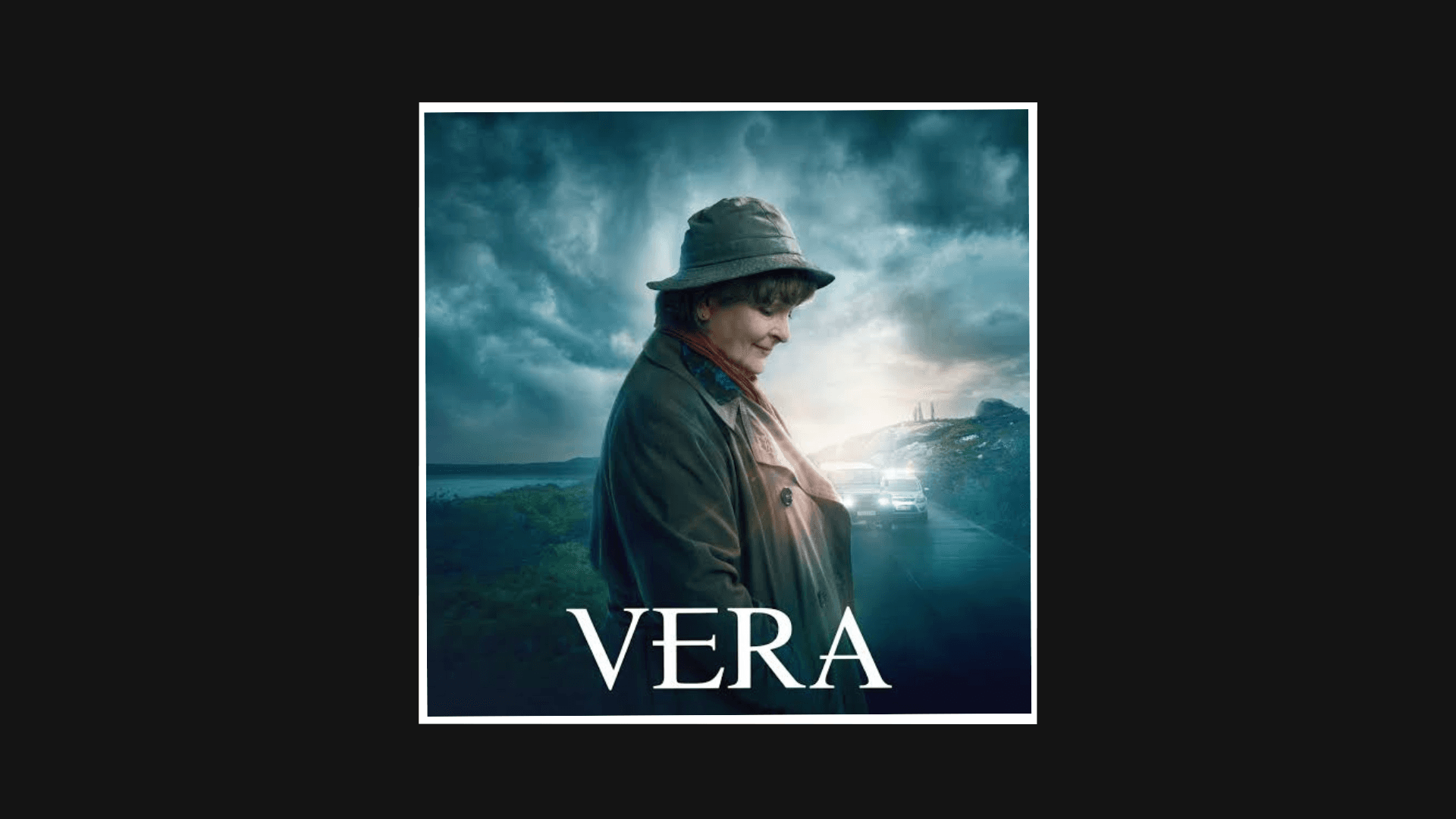
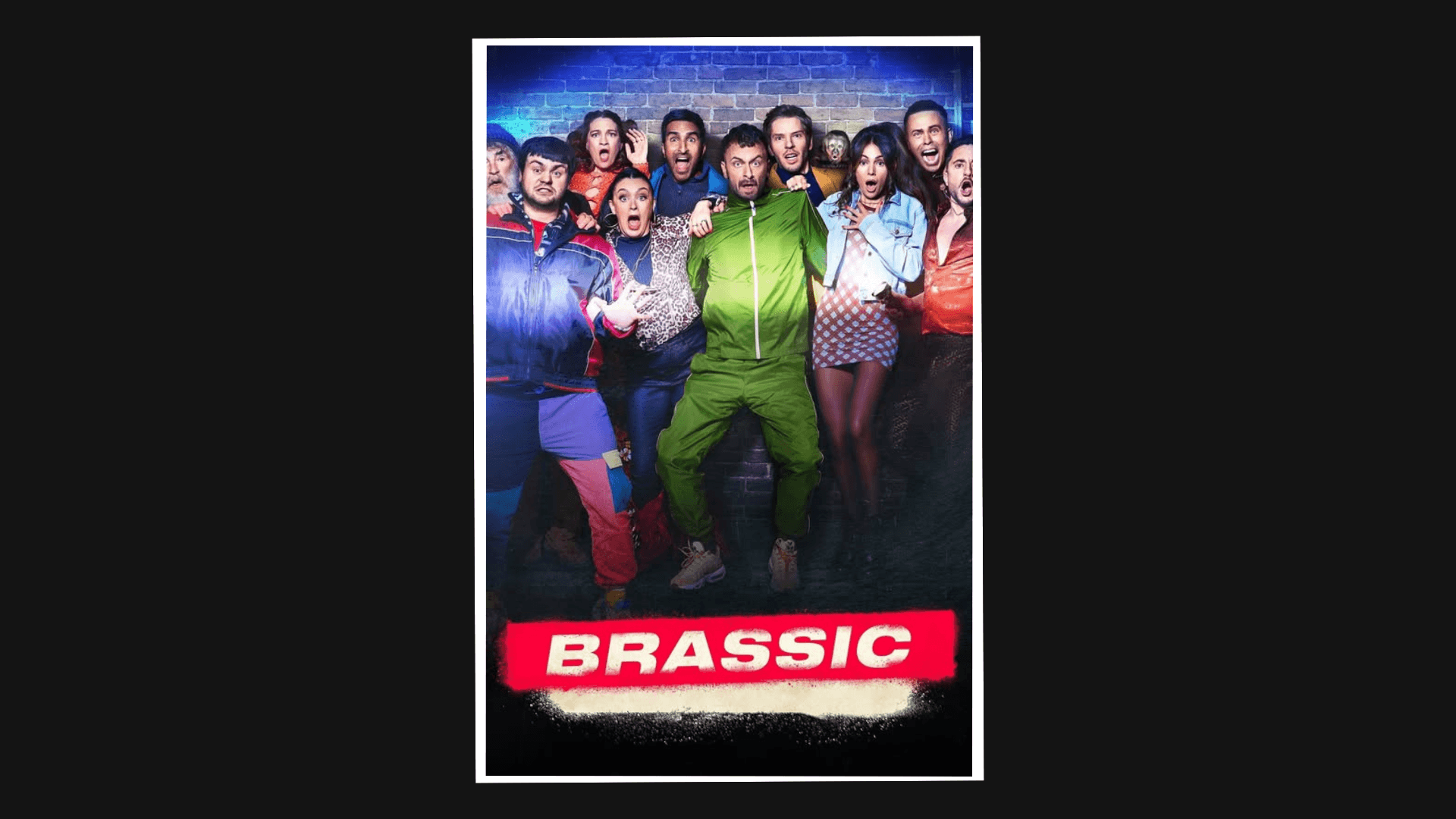
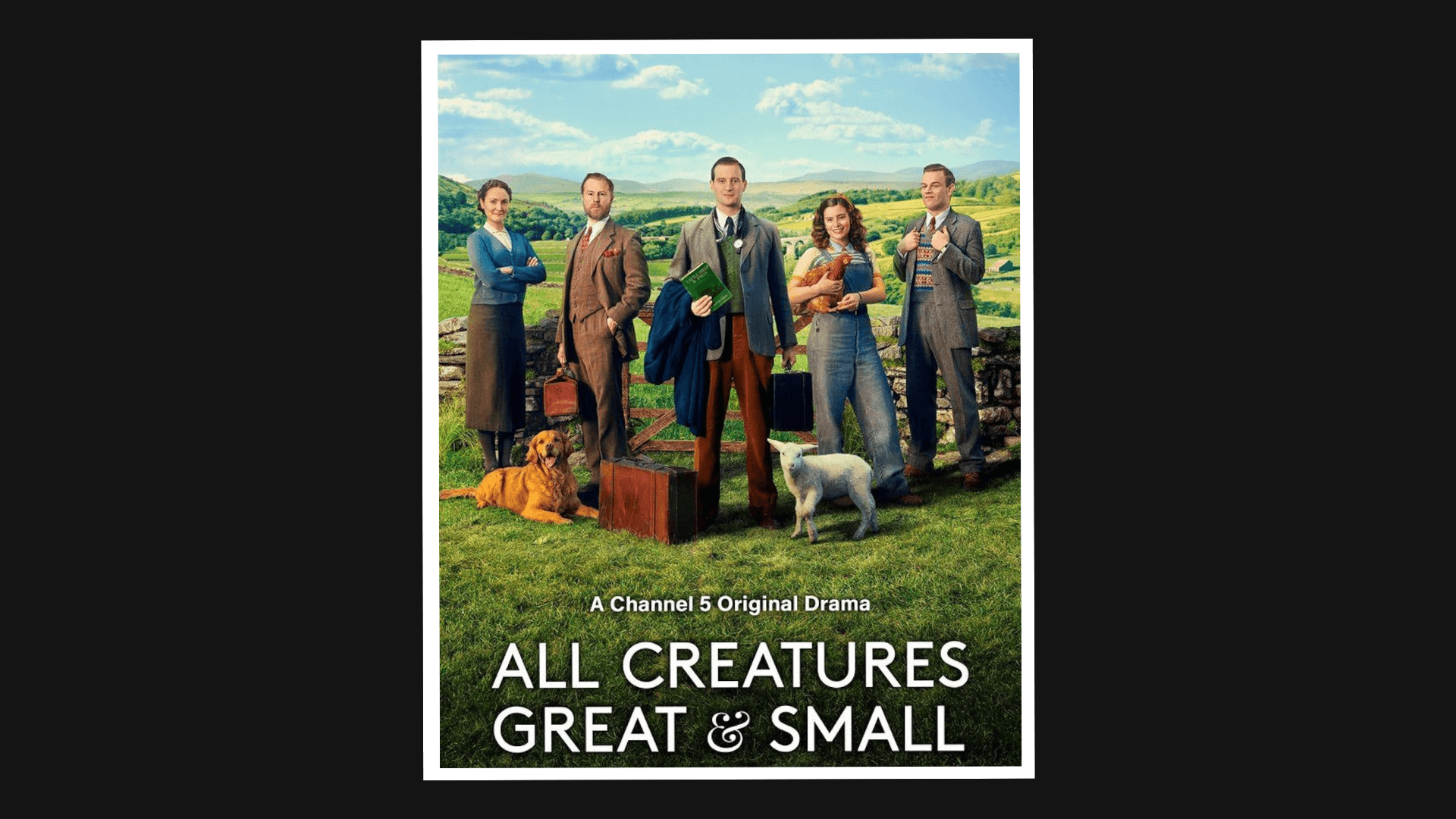
Hello, I’m John Bulwich. I’m from Manchester and I’m an actor by trade and have worked across some of the biggest television platforms in the UK and abroad, including Netflix, Sky, ITV, Channel 4, and Channel 5. My acting work includes appearances in well-known shows such as Vera, Brassic, and All Creatures Great and Small, among others.
Throughout my life, I’ve also worked in many different roles — what so people might call the classic ADHD career path. One of my favourite jobs was working as a concierge at the famous Midland Hotel in Manchester, where I thrived on meeting inspiring people, connecting with guests from all walks of life, and being of service to others.
I also love to travel, particularly across Asia. One experience I’m especially proud of was working alongside the British Embassy in Vietnam to contribute to a short film raising awareness about ADHD and mental health.
Those experiences shaped my confidence in communicating, storytelling, and connecting with people — skills that now sit at the heart of my keynote work.
Why I Created ADHD Space
I founded ADHD Space as an online platform where people living with ADHD can feel seen, heard, and understood.
Initially, it started as something very personal. I struggled for years to find a community that reflected my own experiences. I often felt like I was slipping through the gaps in schools, workplaces, and institutions, and there were very few honest conversations about what ADHD really looked like in everyday life.
So I began sharing my own story — openly and honestly — about how my brain works, the challenges I faced, and the reality of living with undiagnosed ADHD.
What started as a personal outlet quickly resonated with others. People began reaching out, sharing their own experiences, and connecting through similar struggles.
As part of this journey, I also created an ADHD walking group, designed to provide a simple, supportive space where people can connect, talk, and support one another while engaging in something grounding like walking. It has become a place for conversation, community, and active mindfulness.
Today, my mission with ADHD Space is clear:
To highlight the real-life impact of undiagnosed ADHD, challenge stigma, and create more honest conversations about neurodiversity.
My goal is for the platform to continue growing and to contribute to positive change by empowering the neurodivergent community through connection, support, and understanding.
Early Signs and Risk Factors
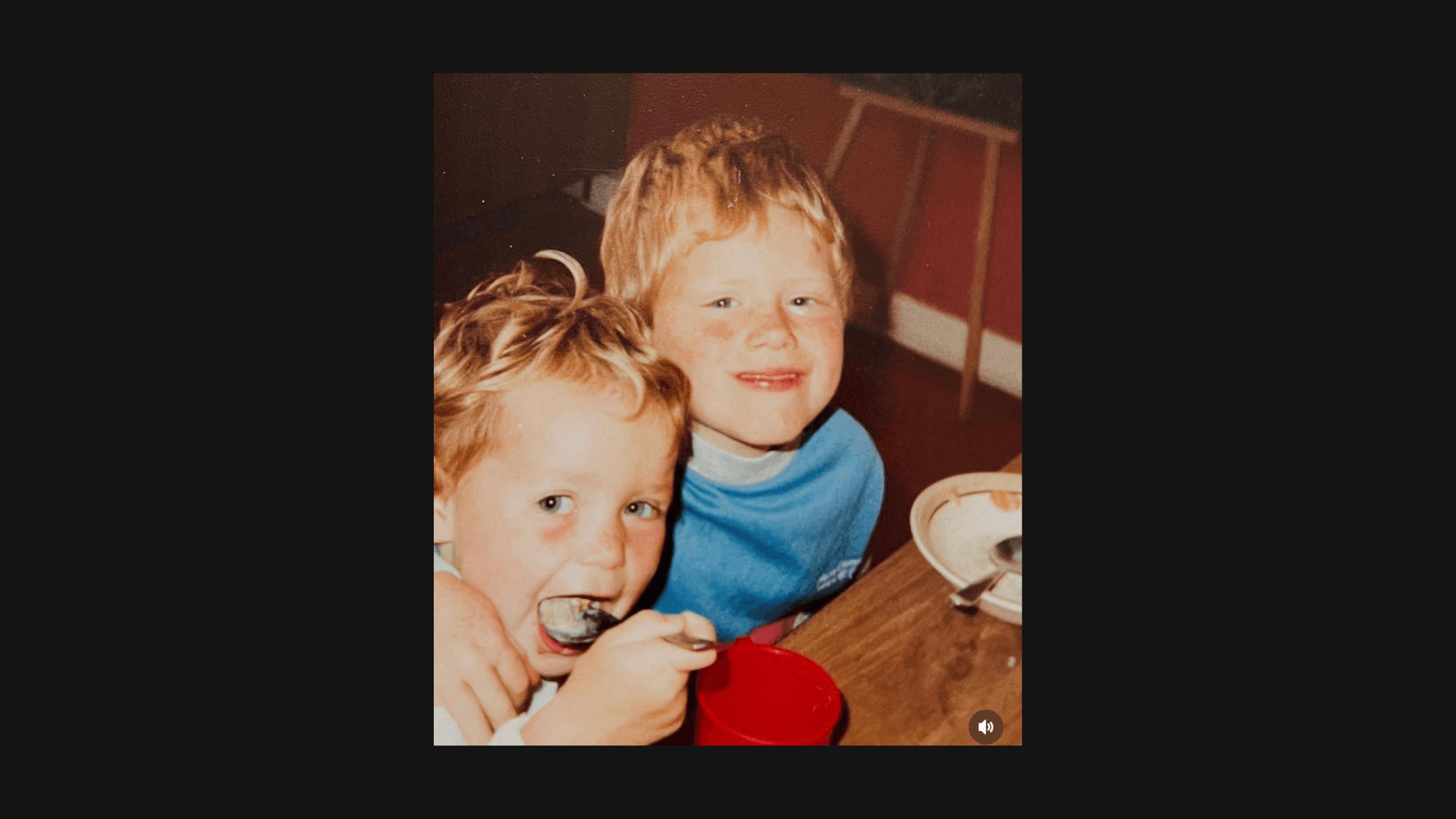
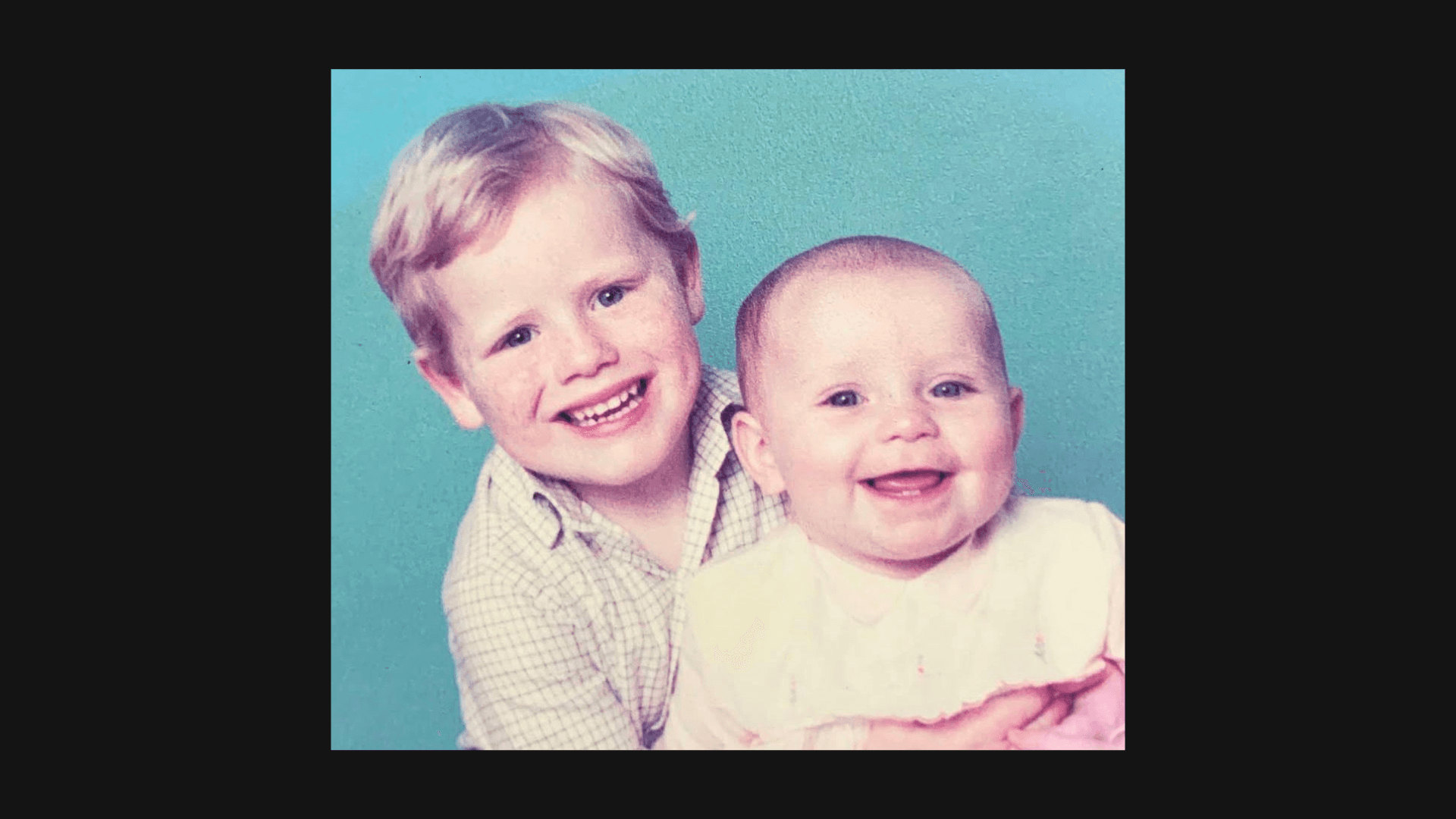
Looking back, I knew from an early age that something felt different, but I didn’t have the language to understand why.
I was impulsive, constantly seeking stimulation, and often acted without thinking about the consequences. One childhood incident — accidentally injuring myself during impulsive play — stands out in my memory. At the time, it seemed like a random accident, but in hindsight, it reflected something we now understand about ADHD: higher levels of impulsivity and being more accident-prone.
Research now shows that people with untreated or unsupported ADHD can be at greater risk of accidents and risk-taking behaviour over time. Understanding these patterns earlier could have made a significant difference.
Living in Survival Mode
As I got older, instead of understanding my behaviour, I found myself operating in what I can only describe as survival mode.
I struggled to regulate my decisions and emotions, and this led me into risky environments and unhealthy coping mechanisms. There were periods in my life where I engaged in destructive behaviours, heavy partying, and substance misuse. At the time, it looked like reckless behaviour from the outside, but in reality, it was a mix of impulsivity, dopamine-seeking, and trying to cope with a brain that constantly felt overwhelmed.
There was also a period in my life where I experienced homelessness. With the understanding I have now, I recognise that this was connected to a combination of undiagnosed ADHD and an unstable environment that lacked the support and understanding I needed.
I once had a conversation with a nurse while completing a benefits application. After hearing parts of my story, she told me that many of the young men she had worked with in the prison system had similar backgrounds — misunderstood, unsupported, and struggling to find their place.
That moment stayed with me. It made me realise how easily my life could have gone in a very different direction.
Fighting the System
Alongside these challenges, I was navigating systems that simply were not designed for the way my brain worked.
Tasks like managing paperwork, healthcare appointments, finances, and routines felt overwhelming. I would swing between being highly capable and completely disorganised — missing deadlines, forgetting appointments, and struggling to keep up with everyday responsibilities.
That inconsistency often left me feeling like I was failing at things that seemed effortless for other people.
Many individuals with ADHD experience what is sometimes referred to as the “ADHD tax” — the cumulative cost of missed deadlines, late payments, forgotten tasks, and administrative challenges. I lived that reality for many years.
A Late Diagnosis
It wasn’t until I was 27 years old that I finally received an ADHD diagnosis.
That moment changed the way I understood my entire life.
Suddenly, there was an explanation for the chaos, the risk-taking, the struggles with routine, and the constant feeling of being overwhelmed. The diagnosis didn’t remove the challenges, but it gave me clarity — and that clarity became the starting point for change.
Understanding my ADHD helped me make sense of my past and gave me the motivation to build something better for myself and others.
That understanding is ultimately what led to the creation of ADHD Space.
Life Lessons
Living with ADHD has taught me lessons that I now share through my keynote work.
For me, ADHD can feel like:
Finding simple things unexpectedly difficult
Working with your brain instead of constantly fighting against it
Experiencing decision paralysis and burnout
Feeling like there are two versions of yourself — one full of ideas and potential, and another struggling to execute them
Being misunderstood as lazy when the real challenge is executive functioning and emotional regulation
Many of the behaviours I displayed in the past were negative, but they were not about being a bad person. They were attempts to seek stimulation, escape boredom, and feel alive.
Understanding ADHD helped me realise that it is not a lack of ability — it is a difference in how motivation, focus, and emotion are regulated.
The Turning Point
One of the biggest lessons in my life was learning that coping mechanisms eventually catch up with you.
There was a moment when I came close to facing serious consequences for the direction my life was heading. That experience forced me to stop and reflect on my choices.
What I thought was helping me cope was actually keeping me stuck.
That moment became a turning point.
Today, I live a very different life. I am sober from drugs, drink rarely, and have completely stepped away from the lifestyle that once felt normal.
Building a Life That Works for My Brain
ADHD can be incredibly powerful when it is channelled in the right direction.
The same traits that once created chaos — intensity, hyperfocus, creativity, and the need for stimulation — can become strengths.
Over time, I have built stability in ways that work for me.
In roles like concierge and sales, I discovered that my communication skills, energy, and ability to connect with people were real strengths. I was able to perform consistently, build relationships, and succeed professionally.
I also achieved something that was new for my family — securing a mortgage and building a stable home.
Creating ADHD Space has been one of the most meaningful steps in my life. It allows me to combine my lived experience, communication skills, and passion for helping others.
For me, living with ADHD is about designing a life that works with your brain — not against it.
My Life Today
Today, my life looks very different from where it once was.
I still live with ADHD, and I am currently unmedicated, but I am much more intentional about how I manage it.
I use physical activity to regulate my emotions and maintain focus. I prioritise routines that support my wellbeing, including exercise, time in nature, and daily habits that help me stay grounded.
I am actively engaged in therapy to work through past experiences and continue developing self-awareness and emotional resilience.
I am learning to be accountable, to ask for support when needed, and to build a life that reflects my values.
Progress, Not Perfection
One of the biggest shifts in my mindset has been accepting that progress does not mean perfection.
I still face challenges. ADHD does not disappear simply because you understand it better.
But today, I am healthier, more stable, and more focused on building a meaningful future.
I believe in self-awareness, honesty, and allowing space for difficult days while continuing to move forward.
I am still a work in progress — but the direction of my life has changed.
Looking Ahead
My vision for the future is to continue growing ADHD Space into a platform that reaches more people and creates real change.
I want to develop:
Educational programmes and courses
Mentoring and support opportunities
Practical tools and resources for individuals and professionals
Partnerships with organisations, schools, healthcare providers, and community services
Ultimately, my mission is simple:
To change the conversation around ADHD.
By sharing my story and delivering keynote experiences, I want to highlight the real-life impact of undiagnosed ADHD — while also showing that growth, stability, and positive change are possible with the right understanding and support.
And alongside this work, I will continue pursuing my acting career and travelling — because connecting with people and experiencing the world is where I feel most present.
quote
"My life could never fall apart. It was never together in the first place."